
Oil: tankers crossing Hormuz rise above 26 a day in November despite record attacks
Smaller tankers are making up for fewer supertankers, while ANZ estimates flows through the strait remain at just 49% of normal.
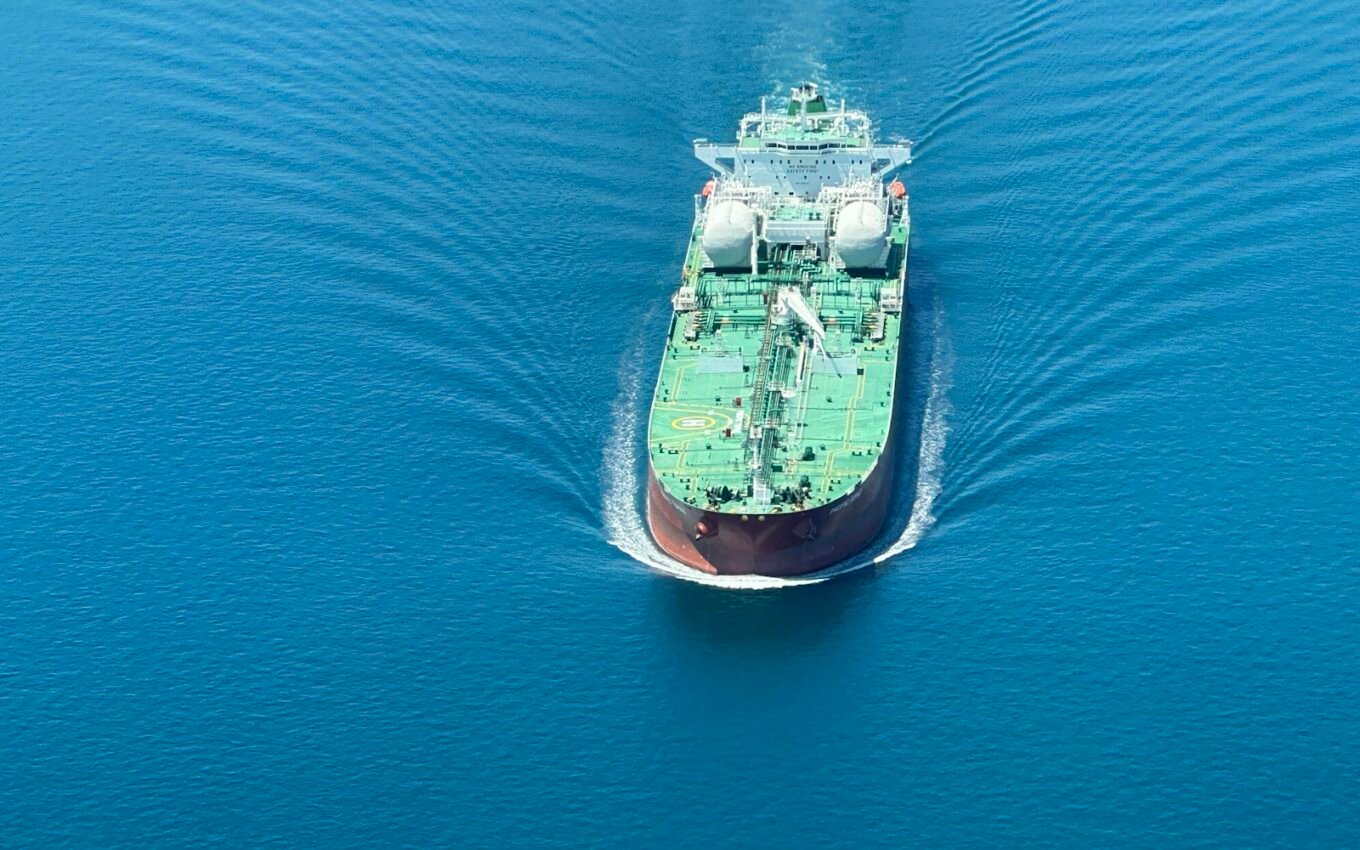
The number of tankers carrying crude, fuel and LNG through the Strait of Hormuz has risen in November even though attacks and mine incidents have hit their highest level since the Iran war began, according to Vortexa ship tracking data reported by Bloomberg on Thursday and carried by OilPrice.com.
The seven day moving average topped 26 tankers a day between November 1 and 19, compared with fewer than 25 on at least two thirds of the days in October.
Smaller ships and an incomplete picture
The figures come with two caveats. They may miss some vessels because of signal jamming and ships switching off their transponders, and there has been a slight drop in very large crude carriers and Suezmaxes, offset by more of the smaller Aframax tankers, which makes it harder to estimate how much oil is actually leaving the Gulf.
A record number of LR2 product tankers, which normally carry diesel and gasoline, have switched to hauling crude. Each can carry about 800,000 barrels, and shuttle shipments near the strait have become the main way of moving oil out.
Flows still below half of normal
Analysts at ANZ estimate Hormuz throughput is still only 49% of normal, warning that low global inventories and almost no spare production capacity leave the market exposed to any new disruption.